Reef Tanks
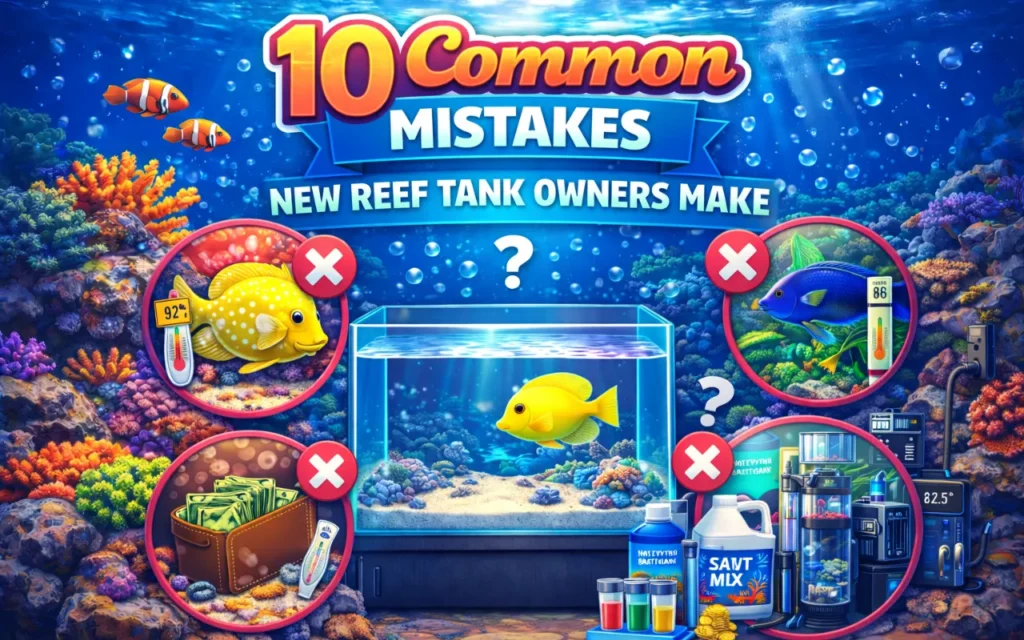
10 Common Mistakes New Reef Tank Owners Make
02
Apr
Apr
Starting a reef tank is exciting, but it’s also where many beginners run into avoidable problems. Most issues don’t come from lack of effort, but from small misunderstandings that snowball over time. Knowing what to watch for early can save money, frustration, and livestock.
- Rushing the cycling process
One of the most common mistakes is adding fish or corals before the tank is fully cycled. The nitrogen cycle takes time to establish, and rushing it often leads to ammonia spikes that can harm or kill livestock. Patience here sets the foundation for everything that follows. - Overloading the tank too quickly
It’s tempting to add multiple fish and corals right away, but each addition increases the biological load. Adding too much too fast can overwhelm your filtration system and destabilise water parameters. Slow, steady stocking is far more successful. - Chasing perfect numbers
Beginners often obsess over hitting exact parameter values. In reality, stability matters more than perfection. Constantly adjusting calcium, alkalinity, or salinity can cause more harm than slight, consistent deviations. - Neglecting regular maintenance
Skipping water changes or letting equipment go un-cleaned can quickly lead to declining water quality. Even small tanks need consistent upkeep. Simple habits like weekly water changes and checking equipment make a big difference. - Poor lighting choices
Lighting that is too strong or too weak can stress or kill corals. Many beginners either underestimate or overdo it. Matching your lighting to the type of corals you keep is essential, especially in the early stages. - Ignoring water flow
Flow is just as important as lighting, but often overlooked. Dead spots can collect waste, while excessive flow can damage corals. A balanced, varied flow helps keep the tank clean and corals healthy. - Overfeeding
Fish may always look hungry, but overfeeding leads to excess nutrients, algae outbreaks, and poor water quality. Feeding small amounts that are fully consumed is a simple but crucial habit. - Not researching livestock compatibility
Some fish and corals don’t get along. Aggression, coral stinging, or incompatible care requirements can cause problems that are hard to fix later. Researching each addition prevents conflicts and losses. - Skipping quarantine
Introducing new fish or corals without quarantine can bring in pests or diseases. Once introduced, these can spread quickly through the tank. A simple quarantine setup can prevent major headaches. - Giving up too soon
Reef tanks go through phases, including algae blooms and cloudy water. These are normal parts of the process. Many beginners get discouraged during these stages, but sticking with it and making gradual adjustments leads to long-term success.
Reef keeping rewards patience and observation more than anything else. Mistakes will happen, but most can be corrected if caught early. By avoiding these common pitfalls, you give your tank the best chance to grow into a stable, thriving reef that becomes easier to maintain over time.
